
Why Are Grease Traps So Common in the United States?
The United States boasts one of the most expansive and dynamic food service industries in the world. From bustling fast-food chains to upscale fine dining establishments, millions of meals are prepared daily. With this massive culinary output comes a significant byproduct every commercial kitchen must manage responsibly: fats, oils, and grease. If you look behind the scenes of a busy commercial kitchen, you will notice specialized equipment designed to handle this inevitable waste. These interceptor devices are ubiquitous across the country for compelling reasons. According to Verified Market Research, the global market for grease traps is projected to hit a valuation of $390 million by the year 2030. This staggering financial growth highlights how essential these structural systems have become to modern restaurant infrastructure. Effectively managing the daily waste captured by these vital devices requires consistent, professional kitchen grease disposal services to ensure sanitary conditions and uninterrupted daily business operations.
Understanding the Role of Grease Traps
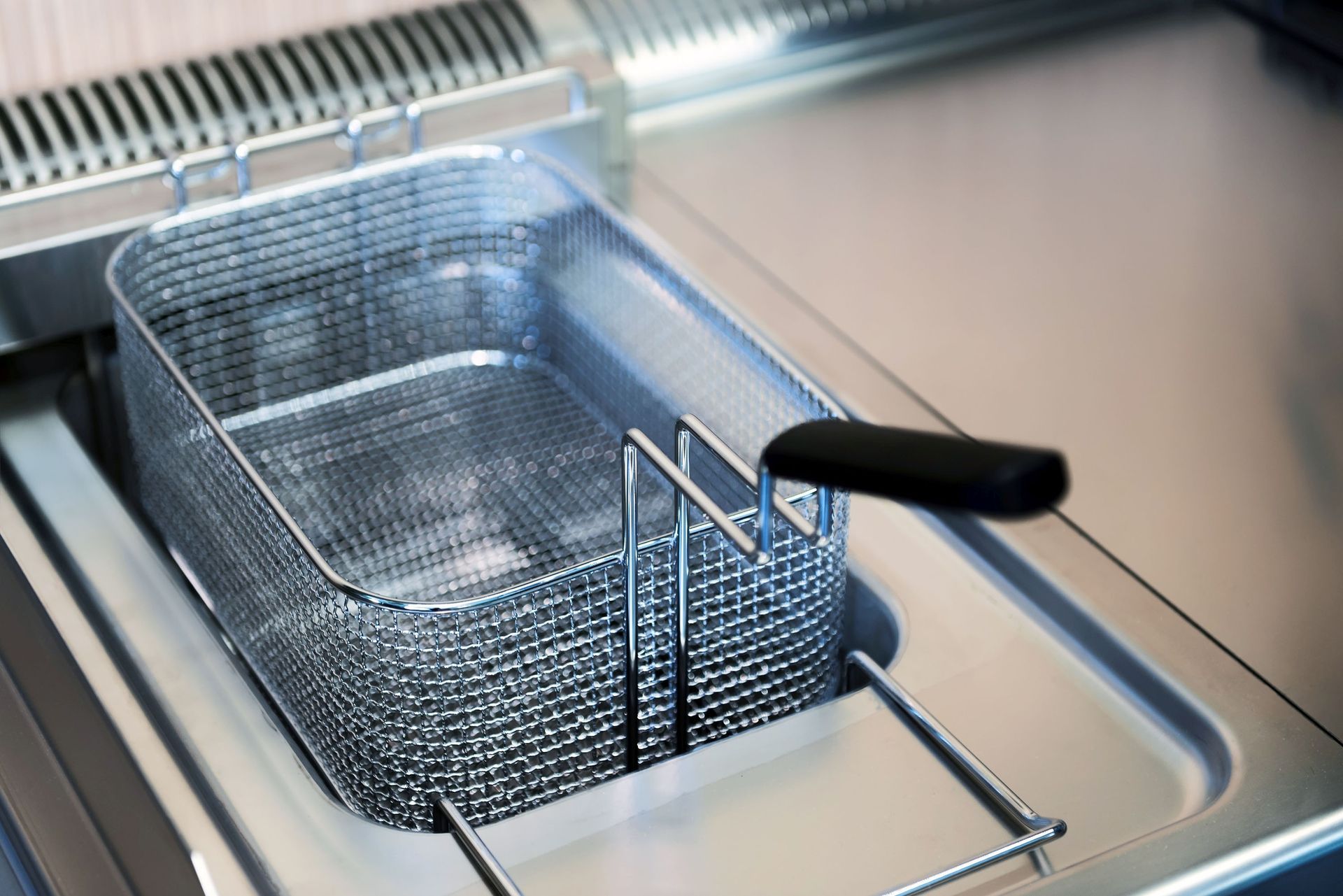
To fully comprehend why these devices are the standard in American kitchens, one must first understand exactly how they function. A grease trap is a plumbing device designed to intercept most grease before it can enter a public wastewater disposal system. When hot water mixed with animal fats or cooking oils goes down the sink drain, it flows into this interceptor. As wastewater cools within the holding tank, the fats naturally separate and float to the top, while heavier food solids sink directly to the bottom. The clearer water then flows safely out into the municipal sewer line. Because busy food service establishments generate an enormous amount of this byproduct, having a dedicated mechanism to capture it is essential. However, the system cannot operate indefinitely on its own. The waste accumulates rapidly, meaning facility managers must routinely depend on kitchen grease disposal services to empty the tanks and keep the system operating smoothly.
Preventing Costly Plumbing Nightmares
One primary reason these interceptors are so common is the immense financial protection they consistently offer to business owners. Without a proper mechanism in place to catch solidified fats, internal building plumbing systems would quickly become overwhelmed. When warm grease pours down a drain, it quickly cools and hardens on the interior walls of the pipes. Over a surprisingly short period, this sticky buildup restricts water flow entirely, leading directly to severe blockages and catastrophic sewage backups. Health inspectors will immediately shut down a facility if sewage begins backing up into critical food preparation areas. The restaurant loses vital revenue during the closure and simultaneously faces exorbitant emergency plumbing fees to clear the lines. By capturing waste before it enters the pipes, business owners avoid these debilitating disasters. This crucial protection only lasts if the interceptor is routinely maintained through professional kitchen grease disposal services to prevent unexpected overflow.
Complying With Strict Environmental Regulations
Beyond protecting indoor plumbing, commercial kitchens must carefully navigate a complex web of modern environmental laws. The United States Environmental Protection Agency and local municipal governments strictly enforce commercial wastewater regulations. Cities across the country explicitly mandate the installation of grease traps for any facility that prepares food commercially. These important laws prevent hazardous food waste from unlawfully entering the public water supply. When a restaurant fails to maintain these specific interceptors, they face severe legal penalties, including massive fines and the immediate revocation of their operating licenses. To successfully remain compliant, health departments mandate detailed logs of all tank maintenance activities. Inspectors frequently visit establishments to visually verify that interceptors are functioning correctly. By utilizing highly reputable kitchen grease disposal services, business owners guarantee all waste is removed legally and that they possess the necessary documentation to prove compliance to local health inspectors.
Managing High Volumes of Commercial Waste
The sheer volume of food produced throughout the United States directly correlates to the vast amount of cooking byproducts generated daily. Whether a facility is continuously frying potatoes or grilling hundreds of burgers, the physical output of fats is simply staggering. Managing this hazardous waste internally is virtually impossible and unsanitary for regular kitchen staff to handle. Dedicated storage and specialized heavy equipment are necessary to keep the work environment clean. Restaurants often utilize free blue containers provided by their recycling partners to store used oil safely between pickups. Because the physical volume is immense, traps are custom-sized according to the specific output of the commercial kitchen. Dealing with this continuous heavy flow of waste requires a systematic approach. Facility managers depend heavily on recurring kitchen grease disposal services to handle the constant accumulation of byproducts efficiently and maintain a thoroughly safe environment for employees.
Protecting Municipal Sewer Infrastructure
Zooming out from individual restaurants, these interceptors play a critical role in safeguarding entire local communities. When unmanaged kitchen fats enter city sewer systems, they chemically combine with other debris to form colossal, rock-hard blockages commonly known as fatbergs. These blockages consistently cause extensive damage to underground infrastructure and can entirely shut down municipal wastewater treatment plants. When a city sewer line clogs, the resulting pressure leads to dangerous sanitary sewer overflows. These overflows violently force raw sewage up into local streets, public parks, and neighborhood waterways. Such severe ecological disasters pose immediate public health risks and predictably cost taxpayers millions in emergency repairs. To prevent these catastrophic community events, municipalities strictly mandate that food service establishments trap their own waste. Whenever a restaurant utilizes professional kitchen grease disposal services, they actively protect their local community and the municipal sewer infrastructure from devastating widespread contamination.
Partnering With Reliable Collection Experts
Capturing the raw waste is only the first step in the cycle; the collected material must then be transported and processed responsibly. Commercial kitchens actively require comprehensive solutions, including used cooking oil collection and efficient fryer oil collection, to ensure their premises remain sanitary. Rather than viewing this waste solely as a burden, modern businesses now see it as an opportunity. Through effective recycling of used oil, collected grease is expertly transformed into highly sustainable resources like renewable biodiesel fuel. Many establishments even receive competitive rebates for oil, turning a basic disposal necessity into an additional lucrative revenue stream. The most effective collection experts always guarantee efficiency, offering 48-hour pickups so storage containers never overflow and disrupt daily operations. By leaning on top-tier kitchen grease disposal services, business owners seamlessly manage their waste, proudly contribute to green energy initiatives, and keep their kitchens running at peak performance.
In summary, the widespread presence of these vital interceptors across the United States is no mere accident. They are a fundamental necessity for any commercial food preparation operation today. From reliably preventing disastrous internal plumbing clogs and carefully avoiding hefty regulatory fines to actively protecting municipal sewer systems, these devices serve an invaluable purpose. The sheer volume of waste generated actively requires specialized equipment and highly dedicated management strategies to consistently maintain safe, sanitary, and compliant operating environments. Fortunately, handling this waste does not have to be a daily headache for business owners. With the right cooking oil recycling services effectively in place, what was once considered a messy liability quickly becomes an eco-friendly asset. If you are ready to streamline your kitchen operations, drastically improve your environmental footprint, and ensure your daily waste is handled correctly, partner with Midwest Renewable Biofuels Inc.

Share On: